Insurance Gaps in Condos & Townhomes: A Growing Issue Homeowners Should Understand
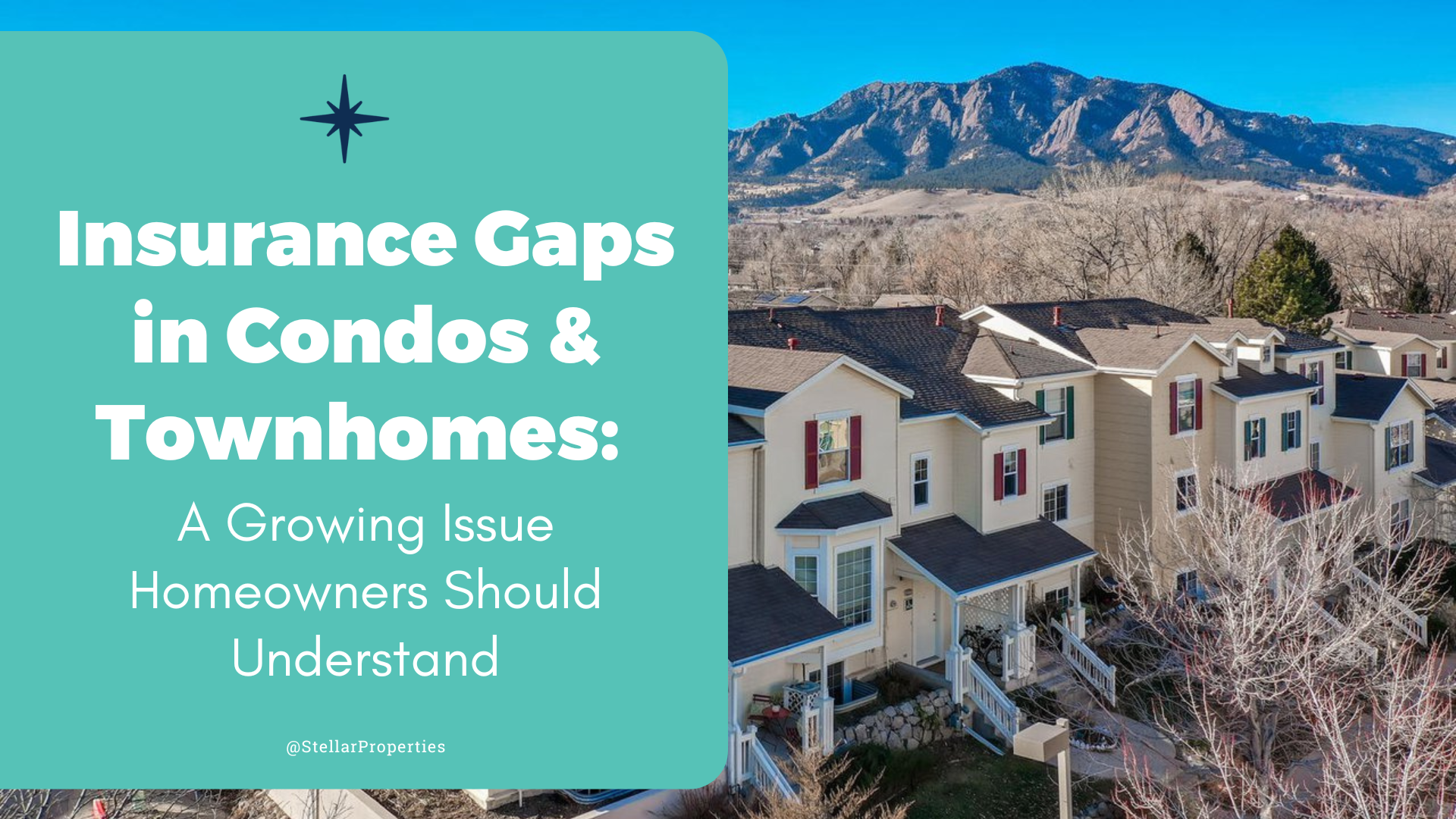
Over the past year, I’ve been having more conversations with clients — especially those who own or are considering condos and townhomes — about insurance. Not because it’s exciting, but because it’s becoming increasingly important.
Across Colorado (and much of the country), insurance premiums for HOA master policies have risen sharply. In response, many homeowners associations are facing difficult choices. Some are increasing dues dramatically. Others, trying to keep costs manageable, are reducing coverage limits or narrowing what the HOA policy covers.
This creates a growing and often misunderstood risk for individual homeowners.
What’s changing — and why it matters
Historically, many HOA master policies covered a wide range of items inside individual units — things like drywall, flooring, cabinetry, plumbing fixtures, and even some mechanicals.
As premiums rise, some HOAs are shifting toward:
Higher deductibles
“Bare walls” or more limited coverage
Lower overall policy limits
When this happens, the financial responsibility quietly shifts to individual owners.
The real problem? Many homeowners don’t realize this shift has occurred until there’s a major loss — fire, water damage, or hail — and suddenly a claim that used to be covered… isn’t. That’s when special assessments, out-of-pocket repairs, or coverage disputes can arise.
The risk of being underinsured
If an HOA is underinsured or has reduced coverage:
Owners may be responsible for repairs inside their unit that were previously covered
Large deductibles may be passed through to homeowners
HOAs may levy special assessments to cover losses the master policy doesn’t fully insure
These assessments can be sudden and significant — often tens of thousands of dollars — and they typically arrive at the worst possible time
What is “gap coverage” — and why it’s important
This is where gap coverage comes in. Gap coverage isn’t a separate product you buy off the shelf — it’s the result of properly coordinating your personal condo or townhome insurance policy with your HOA’s master policy.
A strong personal policy (often an HO-6 for condos or a townhome policy) can:
Cover interior components the HOA no longer insures
Help cover large HOA deductibles assessed back to owners
Provide loss assessment coverage for certain special assessments
Protect you if the HOA’s coverage limits fall short
The key is that your policy must be written with the HOA’s current master policy in mind — not based on assumptions from years past.
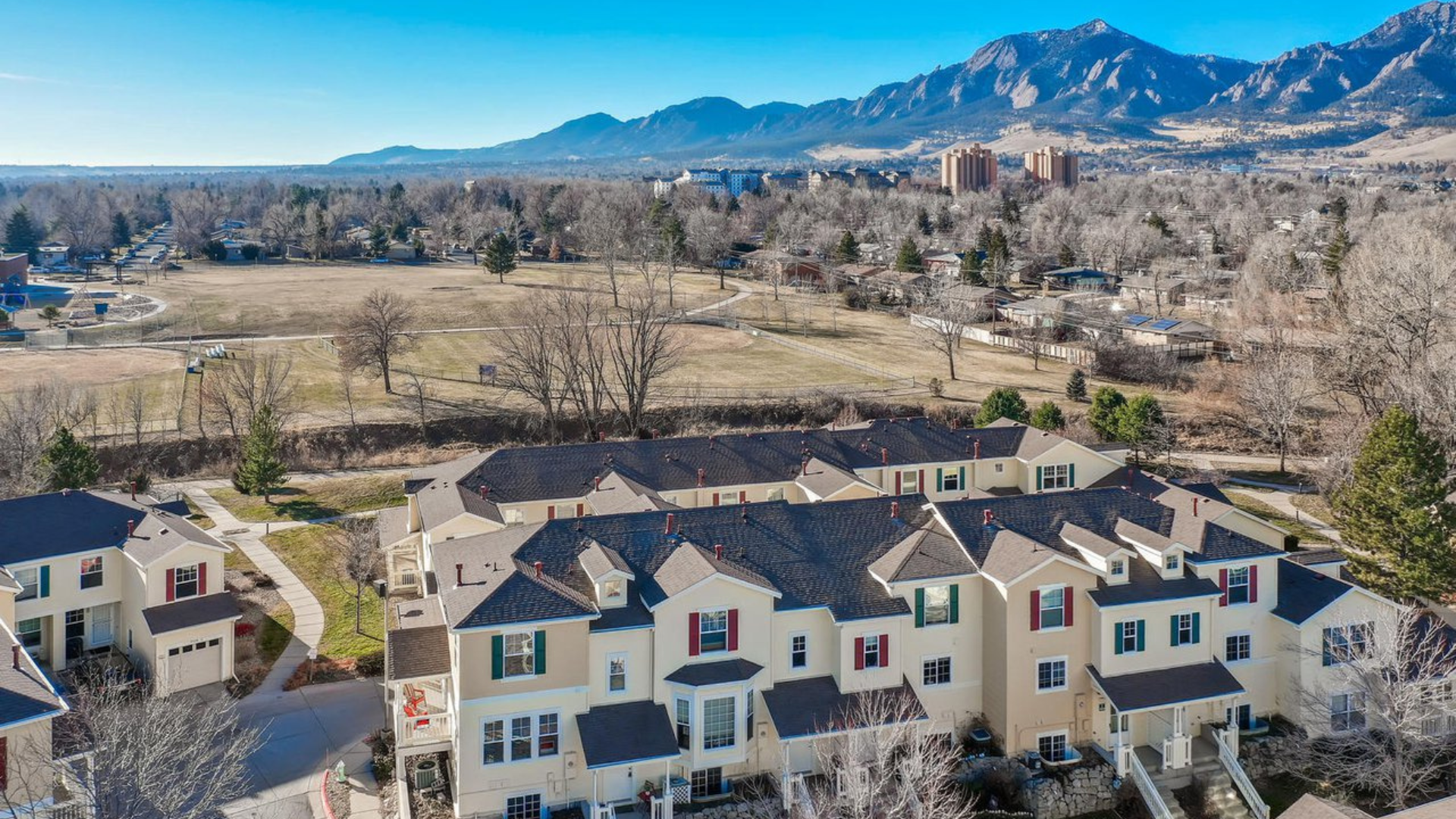
What I recommend homeowners do now
If you own a condo or townhome, I suggest taking these steps:
Request the HOA’s master insurance policy
Look specifically at:
Coverage limits
Deductibles
What is defined as HOA responsibility vs. owner responsibility
Share that policy with your insurance agent
Ask them directly:
“If there’s a major loss, where does the HOA coverage stop and mine begin?”
“Am I protected if the HOA assesses owners for uncovered items or deductibles?”
Ask about loss assessment and deductible coverage limits
Many owners are surprised to learn their current limits are far too low for today’s environment.
Revisit this annually
HOA policies are changing year to year — your personal policy should evolve with them.
A final thought
Insurance isn’t something most of us enjoy thinking about — until we have to. Unfortunately, the combination of rising premiums and shrinking HOA coverage means that doing nothing is increasingly risky, especially for condo and townhome owners.
This isn’t about fear — it’s about awareness and preparation. If you ever want help reviewing HOA documents before a purchase, or understanding how insurance changes might affect resale value and risk, I’m always happy to be a resource.
Staying informed is one of the quiet ways we protect ourselves — and each other.